
In short: Yaowarat Road is the main artery of Bangkok’s Chinatown, a 1,532-metre one-way street in Samphanthawong district built in the 1890s. It is best known for its street food. Michelin has highlighted stalls there for rolled noodles, crab fried rice, fishball noodles and fried dough, and the MRT Blue Line’s Wat Mangkon station serves the area.
Yaowarat is the part of Bangkok most associated with street food. This guide covers the road’s history and the stalls the MICHELIN Guide has written about, using its articles on five Yaowarat stalls and two days of Bangkok street food. Michelin distinctions change each year, so check the current guide before you go. For the city-wide value list, see our Bib Gourmand guide.
What is Yaowarat?
Yaowarat Road is the main street of Bangkok’s Chinatown, in Samphanthawong district. Wikipedia says it is 1,532 metres long, run as a one-way street in the opposite direction to the parallel Charoen Krung Road. It starts at Odeon Circle near Wat Traimit, the Temple of the Golden Buddha, crosses Khlong Ong Ang and ends at the Wang Burapha intersection. Modern Chinatown covers a larger area around Yaowarat and Charoen Krung.
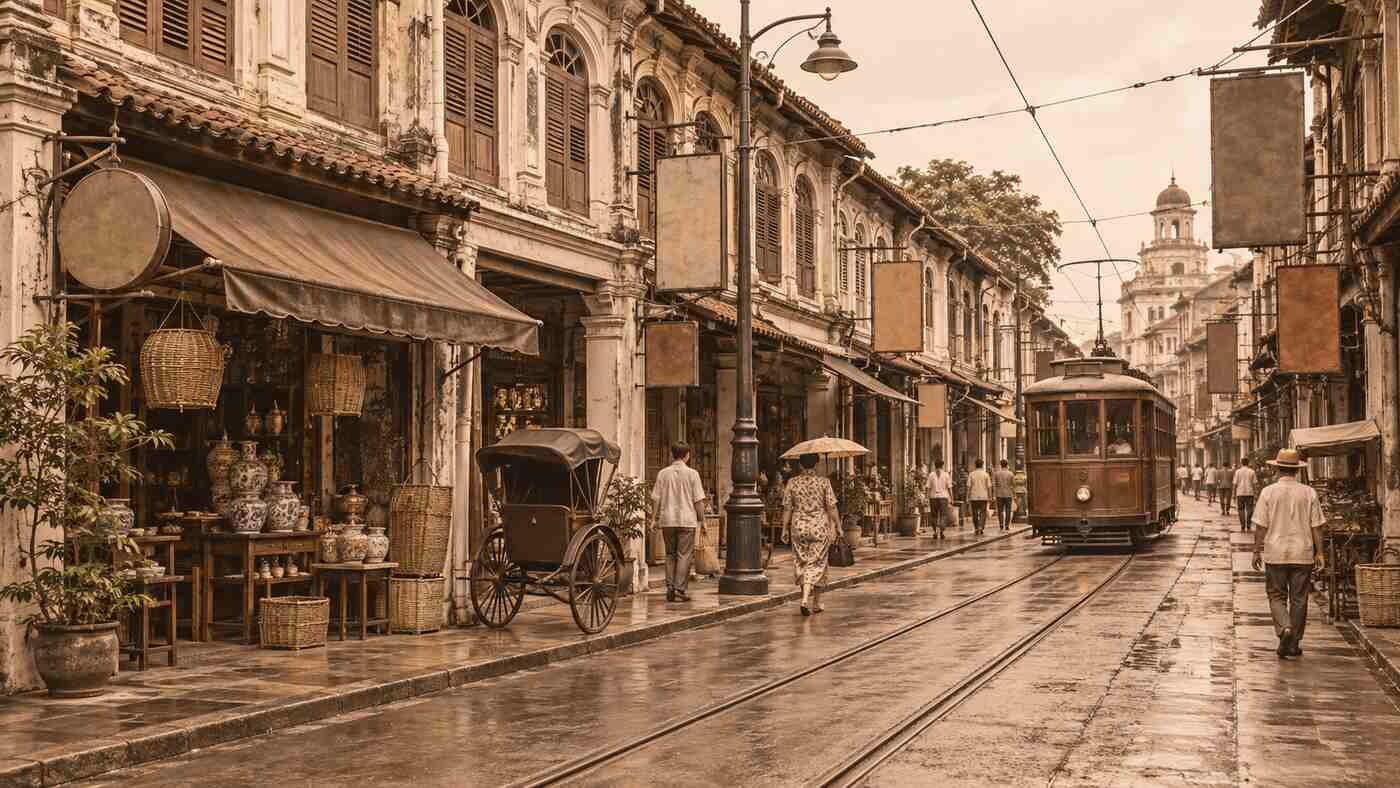
A short history of Yaowarat Road
The Chinese community moved to the area some 200 years ago, when its earlier site was needed for the Grand Palace and Wat Phra Kaew, Wikipedia says. By the end of 1891 King Rama V had ordered the building of many roads, including this one, over former rice fields and canals. It was first named Yuppharat Road and later Yaowarat, meaning “young king”, in honour of Prince Vajirunhis, the first crown prince.
| Year | Event |
|---|---|
| 1891 | King Rama V orders the road built |
| 1894 | Electric trams begin running on Charoen Krung and Yaowarat |
| 1946 | King Rama VIII and Prince Bhumibol walk through Yaowarat and Sampheng on June 3 |
| 1968 | The tram service ends |
| 2019 | TAT reports new MRT stations making the old city and Chinatown easier to reach |
Before the Second World War it was regarded as the busiest area in Bangkok, with the country’s tallest buildings of seven and nine storeys. Land around the road has always been among the most expensive in Thailand, Wikipedia notes.
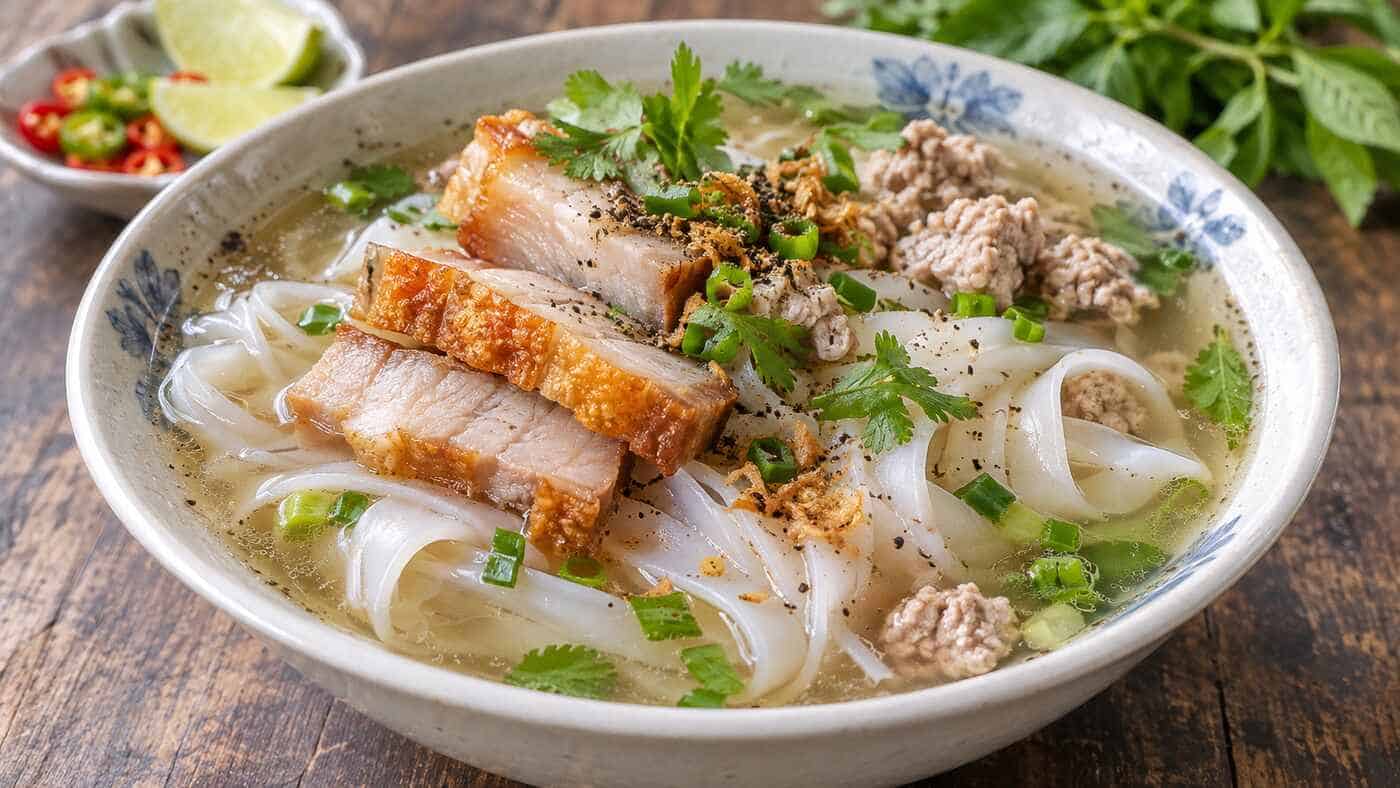
Noodle stalls listed by Michelin
Michelin’s 2019 Yaowarat article, by Piya Pangsapa, picked out several noodle stalls. The distinctions below are as given in that article.
- Guay Jub Ouan Pochana, on Yaowarat Road, has served guay jub, rolled rice noodles in a clear, peppery pork-bone broth with offal and egg, for over fifty years. Bib Gourmand in the article.
- Nai Ek Roll Noodles, at 442 Soi Yaowarat 9, serves a longer, thicker guay jub with crispy pork. Nai Ek began with a pushcart over fifty years ago and opened his shop in 1989; the article gives its hours as 9 am to midnight daily. MICHELIN Plate in the article.
- Lim Lao Ngow, in front of 299–301 Song Sawat Road, makes fishball noodles with homemade fishballs and egg noodles from family recipes kept for over eighty years. Bib Gourmand in the article.
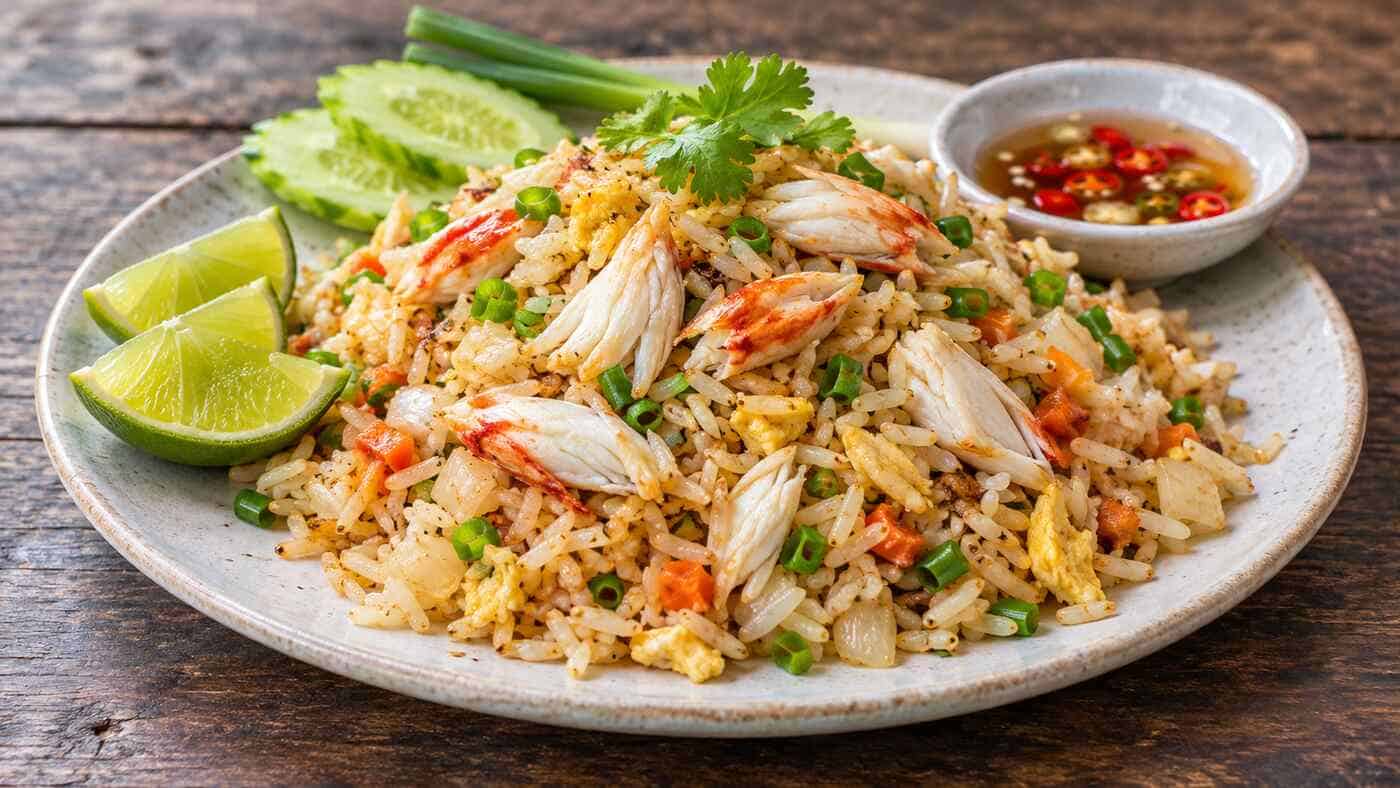
Crab fried rice and fried dough
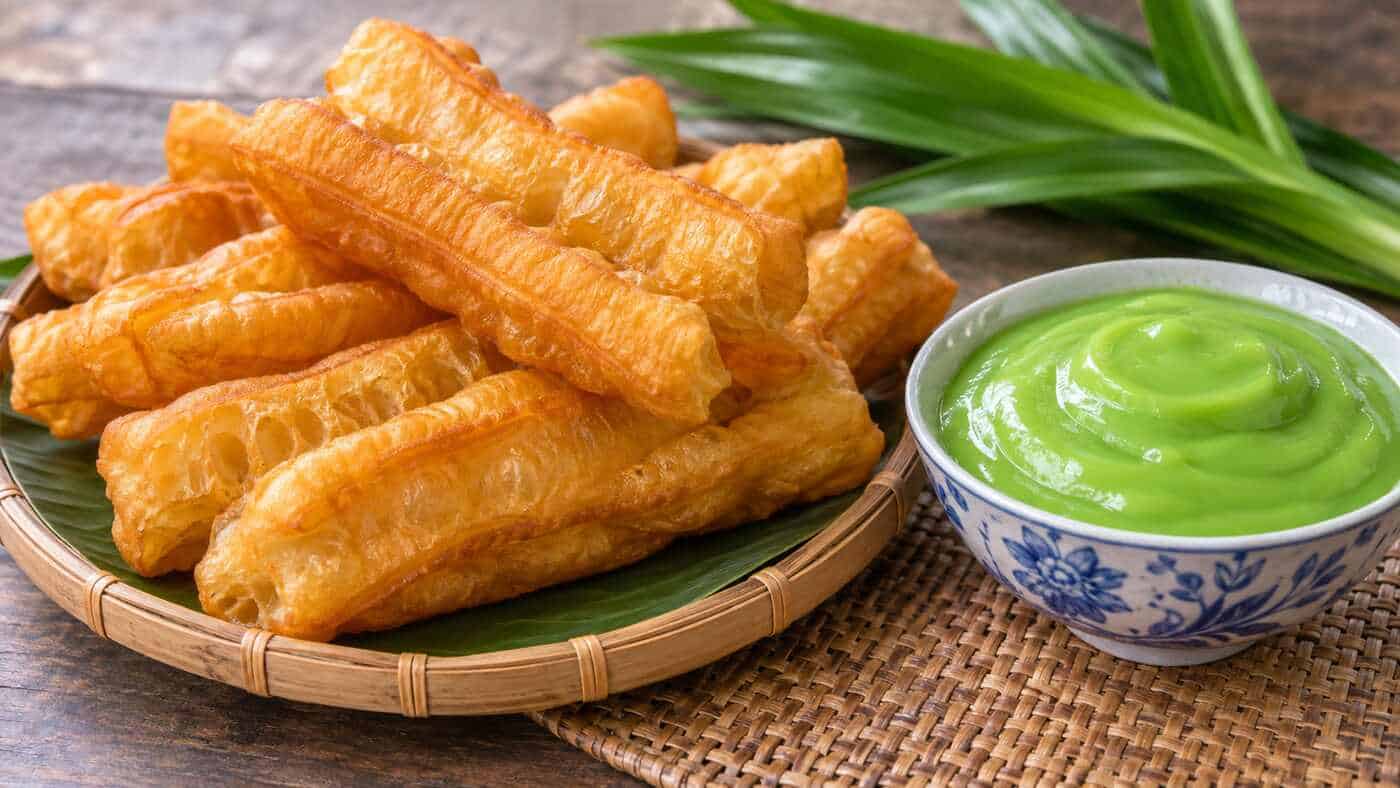
Two more stalls in the same article cover rice and snacks. Khao Phad Pu Chang Phueak, at 140 Yaowarat Road, specialises in crab fried rice with chunks of white crabmeat, served with chillies in fish sauce, lime and spring onion; the article lists it as Bib Gourmand. Pa Tong Go Savoey, at 489 Song Sawat Road, fries pa tong go, Chinese-style fried dough, eaten with pandan custard or condensed milk. The article says it fries over a thousand pairs every evening except Monday.
Braised goose on Song Wat Road
Michelin’s 2024 street-food itinerary, by Craig Sauers, recommends Urai Braised Goose at 935 Song Wat Road, a family business that has braised goose for six decades. It says the menu has two dishes in a range of sizes and that it closes at 7 pm. Urai Braised Goose also appears on the current Bangkok Bib Gourmand list.
Talat Noi and the wider old town
The nearby Talat Noi area has its own new entry in the 2027 guide. Michelin’s 2027 Bib Gourmand list added Duck Noodle House, a second-generation family eatery there serving braised duck and goose with egg noodles. In the old town, Jay Fai on Maha Chai Road holds a Michelin star; Wikipedia notes it is in Phra Nakhon, not Chinatown. Our Michelin star guide covers it, and our etiquette guide explains how Thai meals are eaten.
How do you get to Yaowarat?
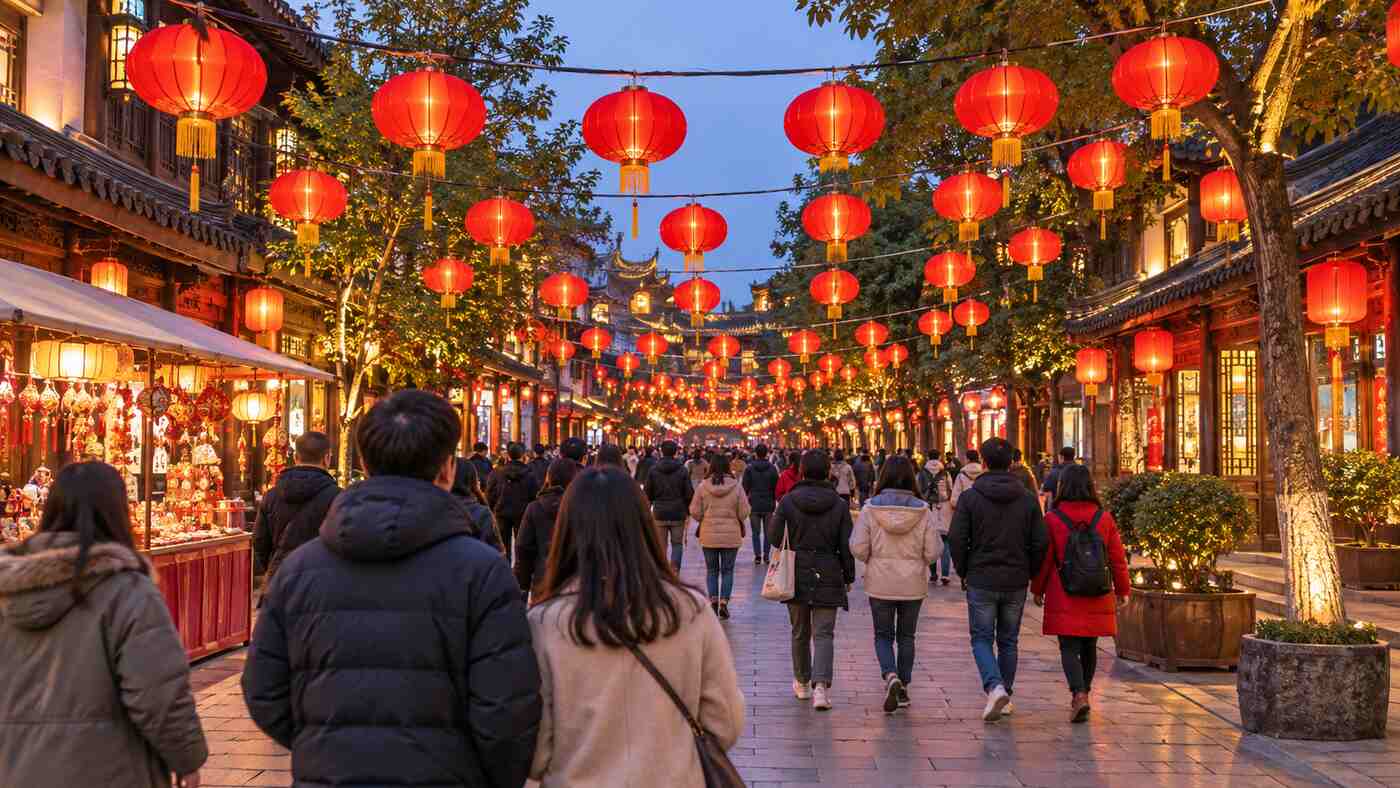
The MRT Blue Line’s Wat Mangkon station, under Charoen Krung Road, serves Yaowarat, according to Wikipedia. Michelin’s 2019 article calls the station a gateway to the district and notes that it is named after Bangkok’s largest Chinese Buddhist temple. The same article points to the nearby Charoen Chai community, known for colonial-style shophouses and a Chinese joss paper market. Several bus lines also run along the road, with stops including Thian Fah Foundation Hospital and Talat Kao (Old Market). During every Chinese New Year festival, the road closes to traffic and becomes a pedestrian street for the celebrations.
Yaowarat is at its busiest at Chinese New Year, when the street fills with lanterns and food stalls. SiamFest lists Thailand festival dates for 2026-2027.
Key takeaways
- Yaowarat Road is the 1,532-metre main artery of Bangkok’s Chinatown, built in the 1890s.
- Its name means “young king”, after the first crown prince of Thailand.
- Michelin has highlighted Yaowarat stalls for rolled noodles, fishball noodles, crab fried rice and fried dough.
- Urai Braised Goose on Song Wat Road and Duck Noodle House in Talat Noi are on the Bib Gourmand list.
- Wat Mangkon MRT station is the easiest way in, and the road is pedestrianised at Chinese New Year.
Common questions
What is Yaowarat famous for?
Yaowarat is famous for street food and for being the heart of Bangkok’s Chinatown, the centre of Thai-Chinese trade for about 200 years. Michelin calls it a district most famous for its street-food scene, with stalls known for rolled rice noodles, fishball noodles, crab fried rice and Chinese fried dough.
Is Jay Fai in Chinatown?
No. Jay Fai, the Michelin-starred street-side kitchen, is at 327 Maha Chai Road in Phra Nakhon district, in Bangkok’s old town. Yaowarat Road itself is in Samphanthawong district, which is a different district. Our Michelin star guide has more on Jay Fai and its crab omelette.
What is the nearest MRT station to Yaowarat?
Wat Mangkon station on the MRT Blue Line, which runs under Charoen Krung Road next to Yaowarat. Michelin says the station’s design reflects the area’s heritage and that it is named after the largest Chinese Buddhist temple in Bangkok.
Does Yaowarat close for Chinese New Year?
Yes, to traffic. Wikipedia says that during every Chinese New Year festival, Yaowarat Road is closed to vehicles and turned into a full pedestrian street for the celebrations, with Princess Sirindhorn regularly presiding over the opening ceremony.
How we put this together: the road’s history and facts come from Wikipedia. Stall details and distinctions come from MICHELIN Guide articles published in 2019 and 2024, and current status from the official Bib Gourmand pages as shown in November 2026. We have not visited these stalls for this guide, and opening days may have changed.